Naga Worship & the Mekong: A Visitor's Guide
เผยแพร่ 23 กรกฎาคม 2569· ⏱ articleDetail.readingTime· 👁 articleDetail.views
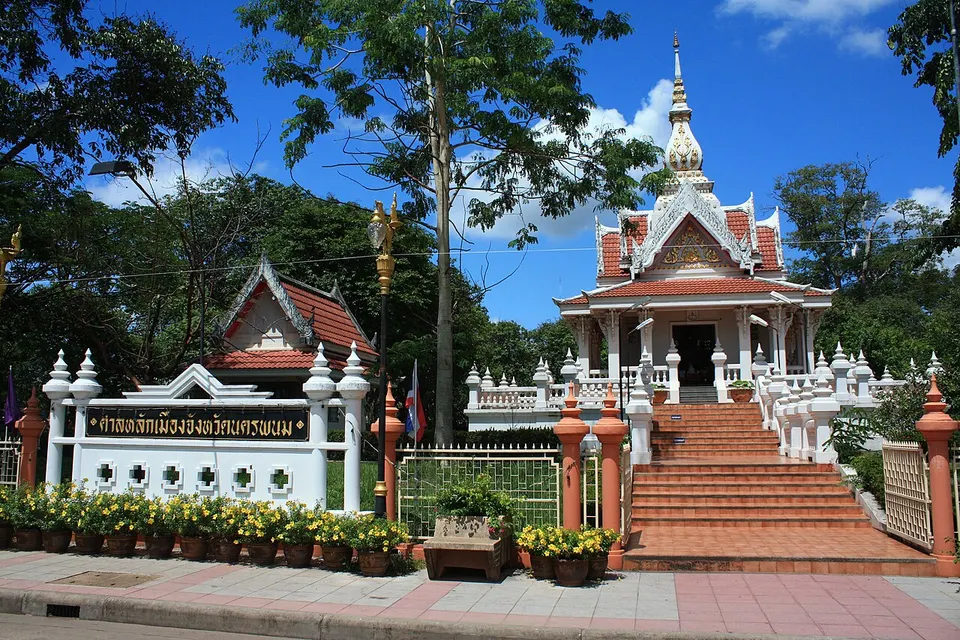
ภาพ: Hdamm / CC BY-SA 3.0
Along Thailand's northeastern border, the mighty Mekong River is home to one of the country's most captivating beliefs: the naga, a great serpent deity said to guard the waters and protect Buddhism.
Who is the naga?
In folklore the naga is a powerful serpent living in the river's depths — a symbol of water, fertility and protection. In Buddhist legend, the naga Mucalinda sheltered the meditating Buddha from a storm. That's why you'll see naga statues guarding temple stairways across Thailand and Laos.
Where to experience naga faith
- Kham Chanod (Udon Thani) — a sacred island grove believed to be a gateway to the naga realm.
- Phaya Sri Sattanakarat (Nakhon Phanom) — a huge riverside naga statue, a must for believers.
- Naka Cave & Wat Ahong Silawat (Bueng Kan) — serpent-scale rock formations and the Mekong's "navel."
The naga fireballs
Each year at the end of Buddhist Lent, glowing pink orbs rise from the Mekong near Nong Khai — the famous Naga Fireballs. Thousands gather to watch this unexplained phenomenon that blends nature and faith.
Visiting respectfully
Offerings are usually yellow or gold flowers, fruit and red soda. Dress modestly, keep the riverbank clean, and take in the serene beauty of the Mekong at sunset.
Beliefs are personal — please use your own discretion.
💬 ความคิดเห็น (0)
เข้าสู่ระบบ เพื่อแสดงความคิดเห็นและรับแต้มบุญ